

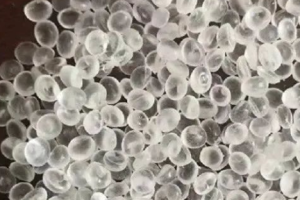
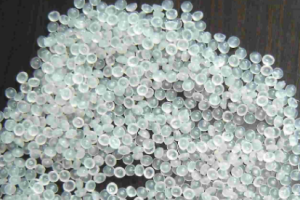



August 30, 2025 – Thermoplastic Polyurethane (TPU), a high-performance elastomer material, has found widespread application across diverse industries—including automotive paint protection films, footwear materials, wires and cables, films, pipes, automotive manufacturing, and medical devices—thanks to its exceptional wear resistance, oil resistance, weatherability, and high flexibility. Compared to traditional materials like Polyvinyl Chloride (PVC) and conventional rubber, TPU stands out for its superior environmental adaptability, making it particularly suitable for use as cable sheathing in harsh operating conditions.
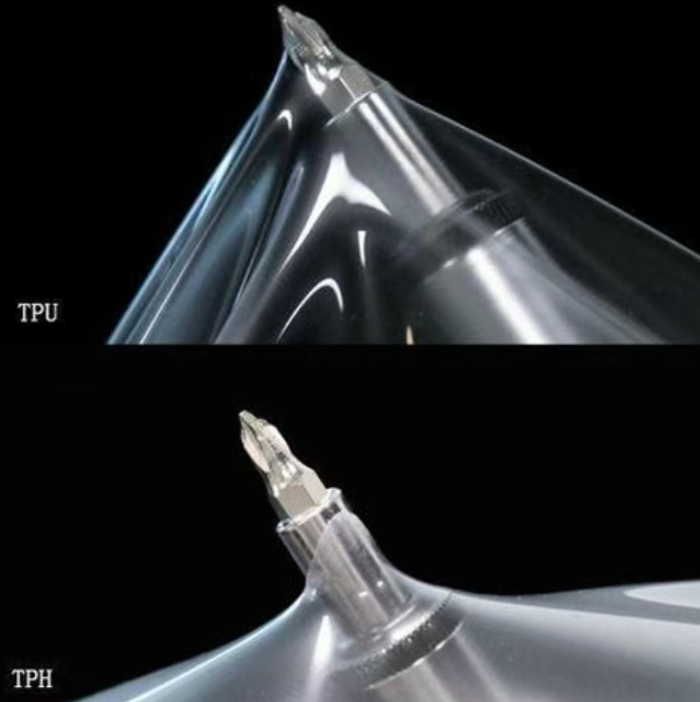
The fundamental differences between PVC, TPH, and TPU can be directly inferred from their names: both PVC (Polyvinyl Chloride) and TPH are classified as plastics, with TPH being a modified version of PVC produced by adding certain plasticizers. In contrast, TPU (Thermoplastic Polyurethane Elastomer Rubber) falls under the category of rubber. This means that the competition between TPU on one side and PVC/TPH on the other in the invisible paint protection film sector is, in essence, a contest between rubber and plastic materials.
According to insights from the Color Masterbatch Industry Network, thermoplastic elastomer TPU consists of two key components: hard segments and soft segments. The hard segments are responsible for endowing the material with engineering properties such as heat resistance, oil and solvent resistance, tear strength, tensile strength, and modulus. On the other hand, the soft segments determine characteristics like compression set, tensile deformation, impact resistance, low-temperature performance, hardness, and flexibility. The ratio of hard to soft segments exerts a direct influence on the material’s hardness, modulus, and flexibility.
From the perspective of soft segment structures, polyester-based TPU contains ester groups with high cohesive energy, giving it advantages over polyether-based TPU in terms of mechanical strength, oil resistance, chemical resistance, and thermo-oxidative stability. However, polyester-based TPU has poorer water resistance and moderate production costs. Polyether-based TPU, by contrast, features ether groups in its soft segments that rotate easily, resulting in better flexibility, low-temperature performance, and hydrolysis resistance. Yet, it lags slightly in mechanical strength, oil resistance, and heat resistance, with higher production costs. Polycaprolactone-based TPU sits between the two; it boasts excellent comprehensive performance, including strong mechanical strength, oil resistance, chemical resistance, wear resistance, and tear resistance, along with good flexibility, low-temperature performance, and hydrolysis resistance. Due to its high price, it is primarily used in medical applications such as artificial organs and blood vessels.
Turning to hard segment structures, polyurethanes made from aromatic isocyanates have high strength because their hard segments contain rigid aromatic rings. However, they suffer from poor UV degradation resistance, making them prone to yellowing and adhesive failure. Aliphatic polyurethanes, while not susceptible to yellowing, are outperformed by aromatic isocyanate-based polyurethanes in thermo-oxidative resistance—this is because the hydrogen atoms on aromatic rings are less likely to be oxidized.
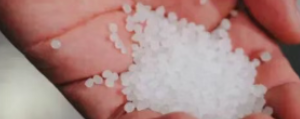
It is incomplete for some TPU products on the market to only be labeled as “aliphatic” or “aromatic”; accurate labeling should specify types like “polyester-based aliphatic TPU.” Overall, invisible paint protection films made from polyester-based aliphatic TPU offer greater functional advantages than those made from PVC or TPH, while also being more environmentally friendly. Owing to its outstanding performance and stable chemical properties, TPU-based invisible paint protection film holds a crucial position in the automotive protection market. For consumers seeking the best protection and user experience when choosing an invisible paint protection film, prioritizing products with a polyester-based aliphatic TPU base material is recommended. Such polyester-based aliphatic particle materials contain no benzene groups, and when combined with the use of aliphatic isocyanates, they ensure long-lasting adhesion under harsh conditions. They also deliver superior corrosion resistance, yellowing resistance, hydrolysis resistance, and weatherability, providing long-term protection for automotive paint surfaces—truly making them the ideal companion for car owners.