
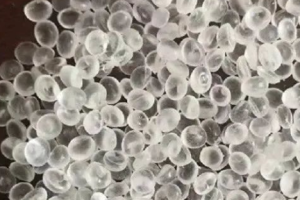
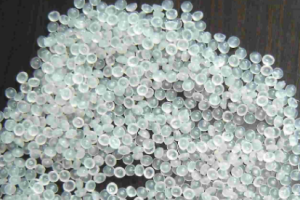



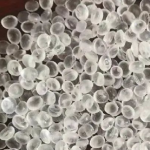
August 30, 2025 – In today’s packaging materials market, polyethylene terephthalate (PET) has emerged as a core choice for packaging in cosmetics, food, pharmaceuticals, and other sectors, thanks to its outstanding overall performance. One of PET’s most notable traits is its exceptional transparency, which sets it apart in the cosmetics packaging realm. When consumers browse beauty stores, the majority of skincare and makeup products on shelves feature PET packaging. Through PET containers, shoppers can directly observe the color and texture of the products inside—for instance, a clear essence housed in a PET bottle enhances the perception of quality, effectively boosting consumers’ purchasing interest.
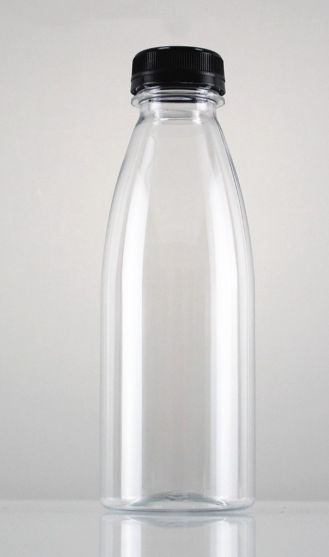
Another key advantage that secures PET’s position in packaging is its chemical resistance, a feature that plays a critical role in food and pharmaceutical packaging. Food may come into contact with various substances during circulation, while pharmaceuticals have strict requirements for the chemical stability of their packaging. PET effectively resists various chemical corrosions, ensuring the quality and safety of the contents. For example, when acidic beverages are packaged in PET bottles, the material does not react with the acidic components in the drinks, thus preserving the original taste. For pharmaceuticals susceptible to moisture and oxidation, PET packaging acts as a barrier against external moisture and oxygen, extending their shelf life.
According to the Color Masterbatch Industry Network, PET’s lightweight property has also earned it significant market space. In an era where environmental protection and sustainable development are deeply rooted in public awareness, lightweight packaging holds great importance. The light weight of PET not only reduces transportation costs and energy consumption but also minimizes packaging waste. Compared to traditional glass packaging, PET packaging is much lighter while providing equal or even better protection. A 500-milliliter bottle of mineral water, for example, would be significantly heavier if packaged in glass, whereas a PET bottle is both lightweight and easy to carry.
PET preforms for bottles in different sectors have distinct focuses on molding cycles and technical features, reflecting the deep integration of efficient production and functional design. In the cosmetics industry, the wide variety of products leads to diverse packaging shapes and specifications, placing high demands on the molding technology of PET preforms. To quickly respond to market needs, the molding cycle of cosmetic PET preforms is usually short. Advanced processes such as hot runner technology allow precise control of plastic temperature and flow, enabling more uniform and rapid preform molding. Additionally, optimized mold designs enable the simultaneous molding of multiple preforms, greatly improving production efficiency.
Cosmetic bottle preforms balance aesthetics and production efficiency in their design. With a molding cycle of 40 seconds, they use 35 grams of PET material. Transparent preforms offer high-definition, scratch-free surfaces, strong durability, and ease of filling. Opaque preforms, on the other hand, utilize specialized plastic technology with fine surface finishing, making them suitable for high-end cosmetic packaging.
In the food sector, the molding cycle of PET preforms continues to be optimized. The large-scale and high-efficiency nature of food production requires preform molding to keep pace. Some enterprises have introduced high-speed injection molding technology, which can produce preforms in a short time. Meanwhile, to ensure food safety and hygiene, quality control technologies such as online inspection systems are integrated into the preform molding process, real-time monitoring parameters like size and weight to ensure each preform meets standards.
Wide-mouth preforms stand out as a design highlight in food packaging. Using 14 grams of PET material and boasting a molding cycle of 10.5 seconds, they feature a universal design for spice bottles and snack containers. Their wide-mouth structure enhances ease of use, while the transparent design balances the need to display contents and meet lifestyle quality demands.
Mineral water bottle preforms achieve efficient production with ultra-short molding cycles—under 10 seconds—and use 16.5 grams of PET material. Leveraging high-precision molding processes and rapid cooling technology, they significantly boost production capacity and market competitiveness.
In the pharmaceutical sector, the molding of PET preforms prioritizes not only production efficiency but also functional design. Pharmaceutical packaging requires excellent sealing, moisture resistance, and light shielding, so special processes like multi-layer co-extrusion are often adopted. By integrating plastic layers with different functions into the preforms, multiple protective effects can be achieved. For example, the outer layer may use light-shielding plastic, while the inner layer uses high-barrier material to protect pharmaceuticals from light, moisture, and oxygen. At the same time, the preform molding cycle is adjusted based on drug characteristics and production requirements to ensure quality.
Pharmaceutical bottle preforms focus on balancing functionality and safety. With a molding cycle of 18 seconds, they use 15 grams of PET material. Transparent versions include moisture-proof designs and wide mouths for easy access, while opaque ones are specifically designed to protect light-sensitive pharmaceuticals.
In summary, PET has secured a vital position in multiple packaging sectors due to its excellent properties. Moreover, the molding cycles and technical highlights of PET preforms in different fields achieve a perfect combination of efficient production and functional design, providing strong support for the development of various industries.