





August 30, 2025 – As China continues to advance its green development strategy, remarkable progress has been made in the research and development of degradable materials. Biodegradable plastics, with their eco-friendly properties, have gradually entered public life and secured a crucial position in the market. Owing to their excellent biodegradability, compatibility, and absorbability, these materials have become typical representatives of green plastic categories. In the field of degradable film applications, two core materials—PLA (polylactic acid) and PBAT (polybutylene adipate-co-terephthalate)—are driving technological upgrading and application expansion in the industry through their unique performance characteristics. The differences between the two in terms of properties, application scenarios, and degradation mechanisms also provide diversified options to meet the needs of different fields.
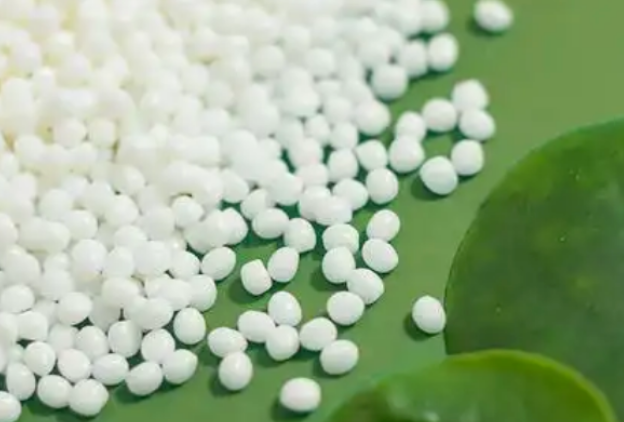
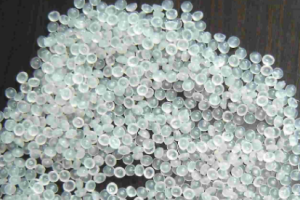
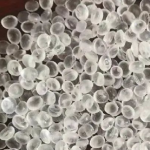
In terms of material properties, PLA and PBAT differ significantly in their sources and performance. PLA is a bio-based material, with raw materials derived from renewable plant resources such as corn and sugarcane. Its prominent advantage lies in high hardness, but it also has the drawback of high brittleness. Regarding degradation speed, PLA takes 3 to 5 years to fully degrade in the natural environment; under composting conditions, the degradation cycle can be shortened to 6 to 24 months. To address its insufficient flexibility and slow degradation rate, the industry commonly adopts copolymerization modification methods—such as introducing glycolide or adding natural polysaccharides like starch—to optimize the material’s performance. In contrast, PBAT is a petroleum-based biodegradable material, excelling in flexibility, ductility, and heat resistance. In terms of degradation performance, PBAT has a distinct edge: under composting conditions, it can be completely decomposed into carbon dioxide and water in just one year, without imposing a burden on the environment. In actual production, PBAT is often blended with PLA. By leveraging the complementary properties of the two, the processing performance of the material is further optimized, enabling it to meet the application needs of more scenarios.
According to the Color Masterbatch Industry Network, in terms of application scenario division, PLA and PBAT have formed their own focused application fields based on their performance characteristics. PLA, with its high rigidity, is more suitable for packaging scenarios that require strong rigidity, such as the manufacturing of various rigid containers. However, if PLA is to be used in the film field, it must first undergo modification to enhance its flexibility and processing adaptability. PBAT, on the other hand, relies on its excellent flexibility and ductility to gain wide application in the flexible packaging field. Products such as stretch films and agricultural mulch films extensively use PBAT materials, and this material can directly replace traditional PE films without the need for large-scale transformation of existing production equipment, reducing the cost of industrial transformation. Beyond the application of single materials, the composite film formed by blending PLA and PBAT combines the rigidity of PLA and the flexibility of PBAT, making it the mainstream choice in the current green packaging field. It demonstrates strong applicability especially in scenarios with high material performance requirements, such as logistics packaging and food packaging.
In terms of degradation mechanisms, the degradation pathways of PLA and PBAT also differ. The degradation process of PLA mainly relies on the combined action of ester bond hydrolysis and microbial enzymolysis; the molecular chains of the material break down gradually, ultimately achieving complete degradation. PBAT, however, contains aliphatic segments in its molecular structure that are more easily decomposed by microorganisms, resulting in a faster degradation rate compared to PLA. To meet the differentiated needs of different application scenarios for degradation cycles, the industry also regulates the degradation rates of the two through various modification technologies. For instance, photosensitizers are added during material production, or porous structure designs are adopted. These measures allow degradable materials to accurately match the degradation cycle according to actual usage needs, further expanding the application scope of degradable film materials.